Keeping a SWMS short and useful on site
Paperwork is easier to use when the crew can find the actual method quickly. The aim is a clear working document that helps the briefing, with enough detail for the particular job.
Short does not mean incomplete
WorkSafe Victoria says the controls need to be described clearly enough for the people doing the work. A long menu of possible controls does not properly describe the measures being implemented. Generic documents need an on-site review, with relevant work and risks included and irrelevant content removed.
Official reference: WorkSafe Victoria — SWMS guidance and FAQs ↗
What we have kept compact
All 84 SiteWork Safety SWMS use compact tables with room for readable controls. The format brings company and job details, work stages, controls, responsibilities and consultation records into a consistent set of tables. You can inspect the layout before ordering.
The core page count varies with the content; it is not a legal limit or proof of compliance. Longer site-specific entries create linked continuation pages. Keep those pages with the main document. Where several distinct activities are involved, separate documents may be clearer.
Reduce repeat entry
- Keep your business details and logo in your account. Check the order details before downloading.
- Use the job form to change the details that belong to this site.
- Describe the controls selected for the work, rather than leaving a list of alternatives undecided.
- Name the person responsible and the relevant checks.
- Download the completed copy before leaving the form; individual job edits are not saved in your account.
A simple print check
Open the completed download and look through every page. Check that the site address, equipment, responsibilities and job date and recorded changes are right. Make sure entries and any continuation references are readable. Keep the version used for the briefing separate from the blank original.
Our samples let you assess the format for yourself. We do not claim that a shorter file automatically takes less time to assess, replaces consultation or is more compliant than another supplier’s document.
Use how to fill out a SWMS for a practical writing sequence and an illustrative example.
General document guidance from SiteWork Safety. Assess the actual work, implement the controls and check the local requirements. State requirements and source-based document review.
Related documents
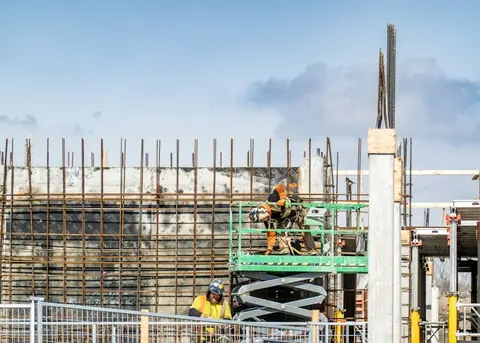 Use of Scissor LiftView work covered and sample →Work at HeightView work covered and sample →
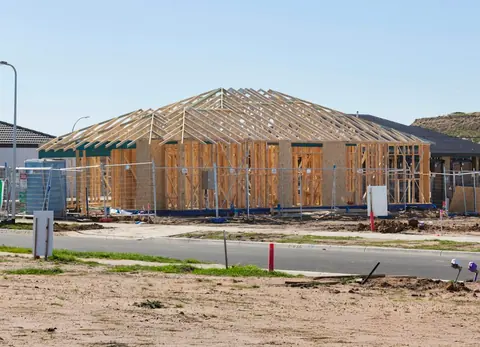 Site EstablishmentView work covered and sample →