When is a SWMS required in NSW?
In NSW, a SWMS must be prepared before high-risk construction work starts. Check the activity and its surroundings against section 291 of the Work Health and Safety Regulation 2025. The trade name, job price or length of the job does not answer that question.
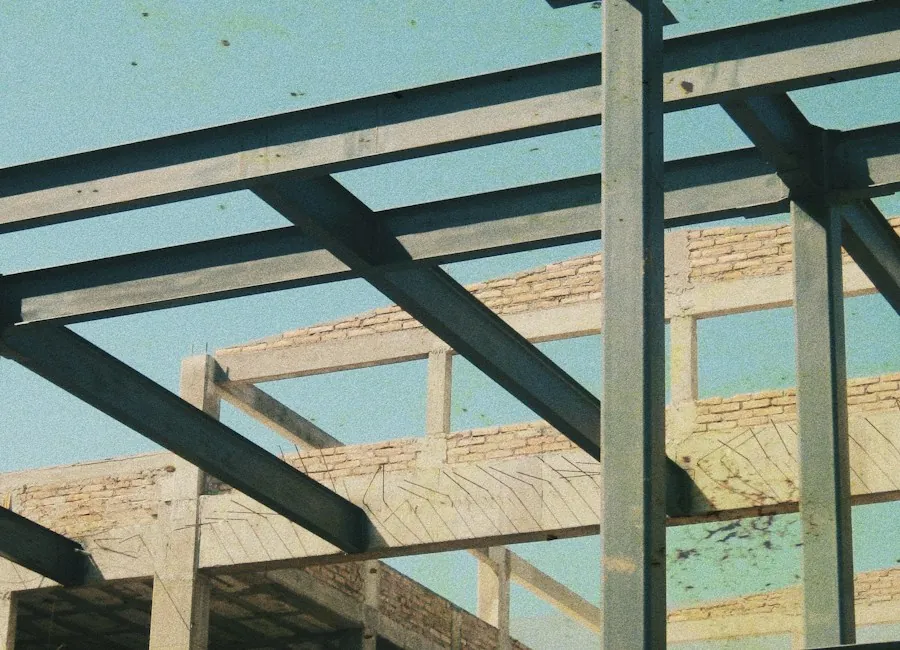
Start with the work you will actually do
First check that the activity is construction work under section 289. It covers work connected with structures, with specific exclusions including testing, maintenance or repair of a minor nature. Other safety duties still apply to excluded work; a short job is not automatically minor work.
Write a short work list: what will be installed, removed, moved or maintained; where it will happen; and what equipment will be used. Include access and the activities happening nearby. A task can fall into several high-risk categories.
For example, fitting material from a scissor lift on a construction site may involve both powered mobile plant and a risk of falling more than two metres. A short visit to finish the job does not remove those circumstances.
Official reference: NSW WHS Regulation 2025 — sections 289, 291 and 299 ↗
Check the NSW high-risk construction work categories
The following groups summarise the statutory list. Use the linked regulation for the precise definition, including what counts as construction work.
- Falls of more than two metres; work on a telecommunications tower.
- Demolition affecting a load-bearing or structurally significant element; structural alterations or repairs needing temporary support; actual or likely asbestos disturbance.
- Work in or near a confined space; a shaft or trench deeper than 1.5 metres; or a tunnel.
- Explosives; work on or near pressurised gas mains or piping, chemical, fuel or refrigerant lines, or energised electrical installations or services.
- A potentially contaminated or flammable atmosphere; tilt-up or precast concrete.
- Work on, in or beside a traffic corridor used by traffic other than pedestrians; areas with moving powered mobile plant.
- Artificial extremes of temperature; drowning risks from water or other liquid; diving work.
Official reference: SafeWork NSW — construction work and the high-risk work list ↗
A SWMS trigger is different from a safe-work threshold
Work outside the high-risk list still needs its risks managed. A fall below the SWMS height trigger can cause serious injury. Other categories can also require a SWMS regardless of height.
A builder may request additional records under its site arrangements. Clarify the task and the reason for the request, then identify the legal duty and the project requirement separately. Do not assume every requested form is a statutory SWMS.
Official reference: SafeWork NSW — Construction work Code of Practice, section 4 ↗
Who prepares it, and what happens next?
The business carrying out the high-risk construction work must ensure a suitable SWMS exists before starting. Where businesses share the work, agree responsibilities with the other duty holders. Prepare the method with the workers who will use it and involve their HSRs where applicable.
Record the high-risk work, hazards, chosen controls and how those controls will be implemented, checked and reviewed. Provide the SWMS to the principal contractor where required. The controls must be in place and the crew must understand the method; buying a document does not do those things.
Official reference: SafeWork NSW — preparing and implementing a SWMS ↗
Have these details ready
Compare that list with the mobile plant, work at height or site start up documents. Read the work covered and inspect the layout sample before ordering. Choose NSW for a NSW job.
Next, use how to fill out a SWMS to turn the information into a usable job copy. For work elsewhere, check state requirements rather than carrying NSW assumptions across the border.
- Site address, work area, scope and the high-risk categories identified.
- Plant and equipment, access routes, services and nearby work.
- Selected controls, the people responsible and the checks before starting.
- Emergency arrangements, consultation notes and the principal contractor’s relevant site instructions.
General document guidance from SiteWork Safety. Assess the actual work, implement the controls and check the local requirements. State requirements and source-based document review.
Related documents
 Site EstablishmentView work covered and sample →
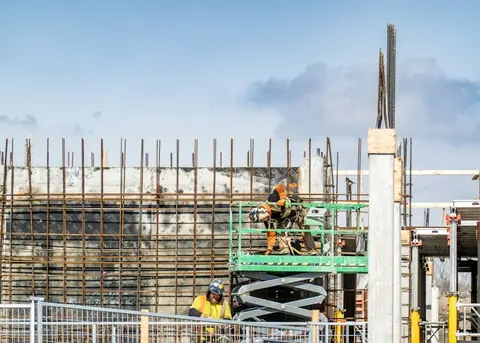 Use of Scissor LiftView work covered and sample →Work at HeightView work covered and sample →Site Start Up BundleView work covered and sample →