Excavation SWMS: site information to gather before digging
Before completing an excavation SWMS, gather reliable service information, the proposed excavation details, ground and nearby-structure information, and the planned plant and access arrangements. A blank space in the document should identify a decision to resolve before digging.
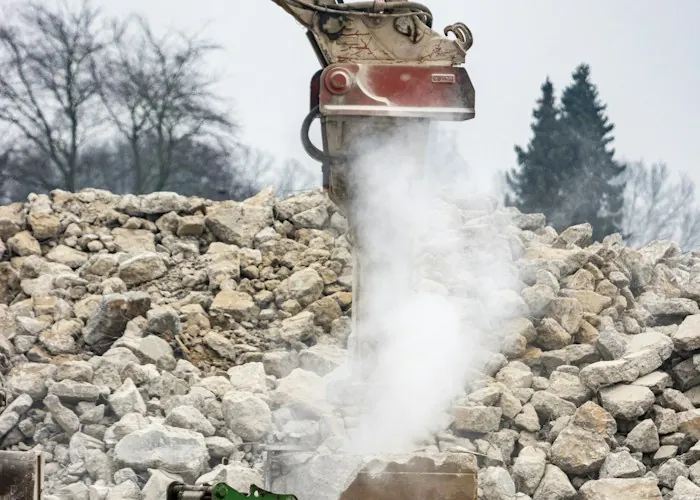
Check more than the trench depth
In NSW, construction work in or near a shaft or trench deeper than 1.5 metres, or a tunnel, is high-risk construction work. Moving powered mobile plant and work near energised services can trigger the SWMS requirement independently of that depth. Check the full local list for work in another jurisdiction.
Do not treat a shallower excavation as automatically safe. Collapse, falls, damaged services and moving equipment still need to be assessed and controlled. Separate trench-support requirements also apply; the SWMS trigger is not a design rule.
Official reference: NSW WHS Regulation 2025 — sections 291 and 304–306 ↗
Build the site information pack
NSW requires current essential-services information to be obtained and made available before the excavation work. Plans are an input to the process: do not assume a line drawn on a service plan establishes the exact position or depth on site.
- Excavation location, purpose, planned dimensions and the sequence of work.
- Current underground essential-services information for the work area and adjacent areas, with arrangements to establish actual locations.
- Ground conditions, groundwater, previous disturbance and the effect of expected weather.
- Nearby foundations, roads, structures, stored materials and other loads.
- Plant model and attachments, movement routes, spoil handling and separation of people from machinery.
- Access and exit, barriers, inspection responsibilities and emergency arrangements.
Official reference: SafeWork NSW — excavations and earthmoving plant ↗
Turn missing information into named actions
For a proposed drainage trench beside a driveway, a useful preparation note might say: “Confirm services and adjacent footing information before finalising the excavation method; supervisor to obtain the required information and arrange the appropriate assessment.” It should not say “services checked” while the information is still missing.
Record who determines suitable ground support and who implements and checks it. Use the required competent or specialist input for the circumstances. Do not lift a shoring detail, batter angle or plant setback from an unrelated job.
The excavation code addresses planning, services, stability and support. Keep relevant designs and instructions accessible alongside the SWMS so the work method can be checked against them.
Official reference: SafeWork NSW — Excavation work Code of Practice ↗
Plan for changes during the work
Discuss how the team reports unexpected services, different ground, water entry, damaged barriers or changes in nearby loading. Identify who can reassess the method and what must be resolved before work continues.
Include the people doing the excavation and any other workers who will enter or work near it. Confirm that emergency access and the proposed response suit the excavation; an emergency phone number alone does not describe a rescue arrangement.
Select and complete the relevant documents
Compare Excavation & Trenching (Excavator/Skidsteer) with its public sample. The separate Use of Excavator/Skid Steer document addresses plant use. Read the scopes to decide which documents fit, and keep their controls consistent.
Select the work’s jurisdiction, complete the job fields through your paid order and download the finished copy. Check the site information, responsibilities and all continuation pages before briefing the crew. Use the SWMS completion guide for the writing sequence.
The Mobile Plant Bundle includes both the excavation and plant-use documents among its 16 inclusions. Compare that set with the individual documents if your business uses other listed machines.
General document guidance from SiteWork Safety. Assess the actual work, implement the controls and check the local requirements. State requirements and source-based document review.
Related documents
 Excavation & Trenching (Excavator/Skidsteer)View work covered and sample →Use of Excavator/Skid SteerView work covered and sample →
 Site EstablishmentView work covered and sample →
 Mobile Plant BundleView work covered and sample →